
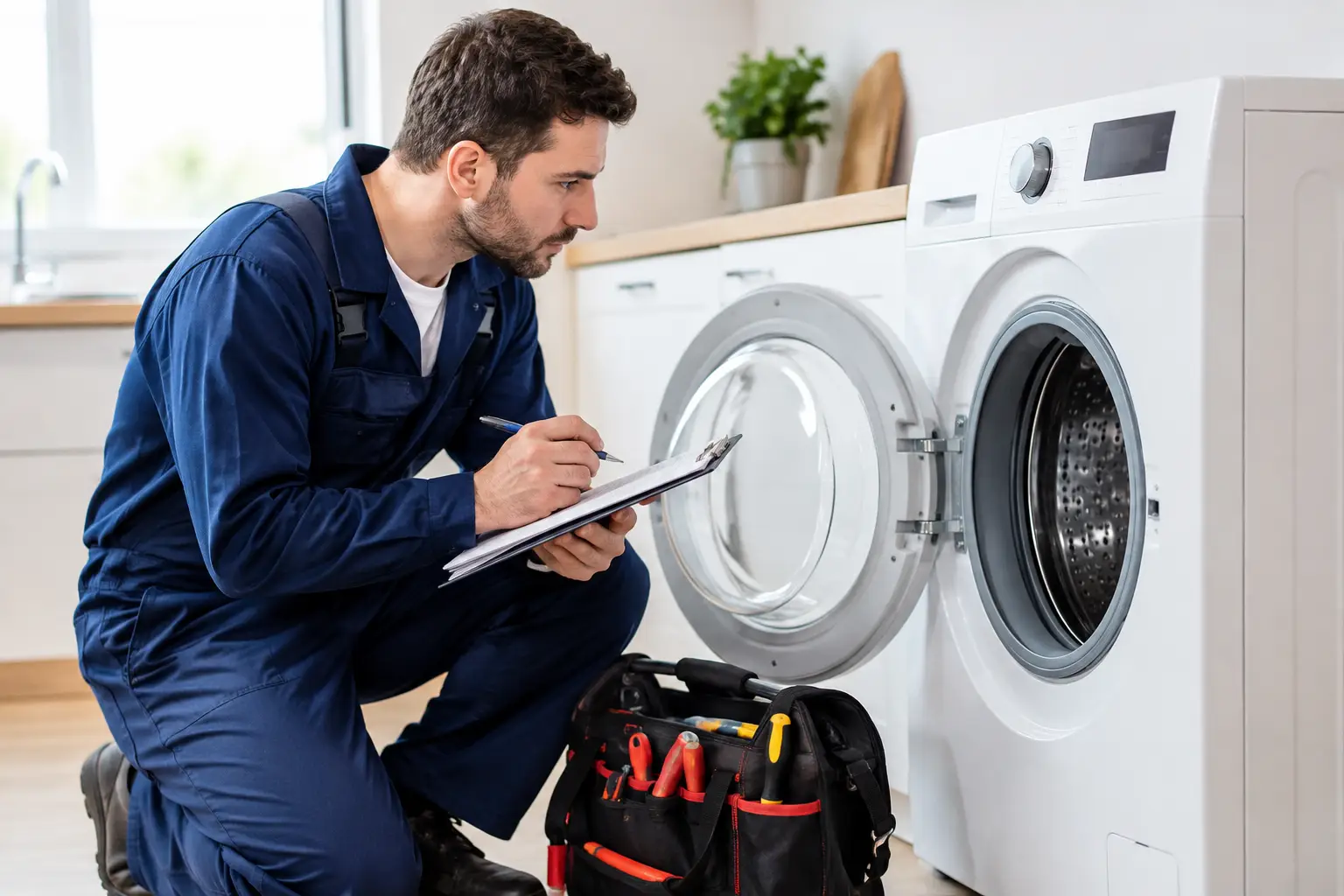
A refrigerator that stops cooling, a washer that will not drain, or an oven that will not heat can make replacement seem like the only answer. But before shopping for a new appliance, it is worth asking whether repair costs are worthwhile for the problem at hand. In many homes, a professional repair can restore reliable performance for far less than the cost and disruption of replacing a major appliance.
The right decision is not based on one rule or a single dollar amount. It depends on the appliance’s age, condition, repair diagnosis, replacement cost, and how urgently your household needs it working again. A clear assessment from an experienced technician takes the guesswork out of that decision.
When Are Repair Costs Worthwhile?
Repair is often the sensible choice when the appliance is relatively new, has otherwise been dependable, and needs a common replacement part. Failed door seals, heating elements, drain pumps, igniters, belts, switches, sensors, and control components can cause major symptoms without meaning the whole appliance has reached the end of its life.
Consider a dishwasher that is leaving water at the bottom after a cycle. The issue may be a blocked drain path, a worn drain pump, or a faulty switch. Replacing the dishwasher without identifying the cause could mean spending significantly more than necessary. The same is true when a dryer runs but produces no heat, or when a refrigerator is running constantly because a fan or defrost component has failed.
A repair also has value beyond the invoice. You already know how the appliance fits your kitchen or laundry area, how it performs, and how it works with your household routine. Replacement can bring delivery timing, removal arrangements, installation requirements, and possible cabinet or utility changes. If a sound repair restores dependable service, it may be the easier and more affordable path.
Start With the Appliance’s Age and Expected Life
Age is a useful starting point, but it should not make the decision for you. Appliances do not all have the same expected lifespan, and use matters as much as the year it was purchased. A washer serving a large family through several loads a day experiences more wear than one used lightly by a couple.
As a general guide, refrigerators, ranges, ovens, and cooktops can often justify repair well into their later years when the cabinet, interior, and major systems remain in good condition. Washers, dryers, and dishwashers may have shorter practical lifespans, especially if they have had repeated leaks, bearing issues, or electronic failures. Still, a single repair on an older appliance can be worthwhile when the cost is reasonable and the appliance has not shown a pattern of breakdowns.
What matters most is the full picture. An eight-year-old dryer with its first heating issue is different from an eight-year-old dryer that has needed multiple repairs, makes loud mechanical noises, and has a deteriorating drum. A technician can help separate a repairable fault from signs of broader wear.
The 50 Percent Guideline Has Limits
Many homeowners hear that they should replace an appliance if the repair costs more than half the price of a new one. This can be a helpful reference point, but it is not a complete answer.
First, compare the repair to the cost of a truly comparable replacement, not the lowest advertised model. A new appliance may also require taxes, delivery, removal, installation, hoses, cords, fittings, or venting work. For gas appliances and wall ovens, professional installation is particularly important for safety and proper operation.
Second, consider what the repair includes. A replacement part and professional labour may come with warranty coverage, giving you confidence in the work completed. A lower-priced replacement with fewer features, a shorter warranty, or uncertain installation costs may not provide the value it first appears to offer.
Look at the Type of Failure
Some faults are isolated and straightforward. Others point to a more expensive or uncertain repair. This distinction is one of the strongest reasons to have the appliance diagnosed before deciding.
Common repairable issues include a broken washer belt, a dishwasher latch that will not close, an oven element that has burned out, or a refrigerator door gasket that no longer seals properly. These repairs can restore function without requiring a major rebuild.
More complicated issues can include compressor concerns in a refrigerator, significant transmission or bearing damage in a washing machine, major corrosion, or multiple failed electronic components. These do not automatically mean replacement is necessary, but they deserve an honest conversation about cost, expected reliability, and available parts.
The goal should never be to repair an appliance at any price. The goal is to make a practical decision with clear information. A trustworthy technician should explain what failed, what the repair involves, what it will cost, and whether replacement may be a better long-term choice.
Consider Efficiency Without Overestimating It
New appliances can offer improved energy or water efficiency. That may matter if your current appliance is very old or has become inefficient due to a significant mechanical problem. However, savings on utility bills are rarely an immediate reason to replace a working appliance after a minor failure.
For example, replacing a washer or dishwasher solely for modest efficiency gains may take years to offset the purchase and installation cost. Repairing an appliance that still performs well can be the more economical choice in the near term. On the other hand, if an older refrigerator has cooling problems, worn seals, and rising energy use, replacement may become easier to justify.
Efficiency is best considered alongside reliability. An appliance that works properly, meets your household’s needs, and can be repaired reasonably may still be the better value.
Do Not Ignore Safety or Water Damage
Certain problems need prompt professional attention, regardless of whether you ultimately repair or replace the appliance. Gas smells, sparking, repeated tripped breakers, smoke, burning odours, significant water leaks, or overheating should not be treated as routine inconveniences.
Turn the appliance off when it is safe to do so and arrange service. Continuing to use a leaking dishwasher, a damaged range, or a dryer with burning smells can create more extensive damage and may put your household at risk. Fast diagnosis can limit the problem and provide a clear next step.
Get a Diagnosis Before Buying a Replacement
Online troubleshooting can help you notice symptoms, but it cannot reliably identify every cause. A washer that will not spin might have a lid switch issue, a drain problem, a belt concern, or a more serious mechanical fault. Replacing parts without a proper diagnosis can add cost without solving the issue.
A professional in-home assessment gives you specific information about your appliance rather than general advice. Ask for transparent pricing, an explanation of the required part and labour, and a realistic view of the appliance’s condition. You should know what you are approving before work begins.
At IAS Repair & Parts, technicians provide honest assessments and explain the available options so customers can decide with confidence. With fully equipped service vans, many common repairs can be diagnosed and completed during the first visit, reducing the time your household is without an essential appliance.
A Practical Way to Make the Decision
Before choosing repair or replacement, weigh the appliance’s age and repair history, the quoted repair cost, the price of a comparable new model, and the likelihood that the repair will provide dependable service. Also factor in installation, removal, delivery, and the inconvenience of changing an appliance that is already built into your home routine.
If the repair is targeted, reasonably priced, and supported by a warranty, repairing is often the right move. If the appliance has recurring failures, major structural wear, or an expensive repair with uncertain results, replacement may protect you from further expense.
A broken appliance is frustrating, but it does not always mean a major purchase is waiting. A clear diagnosis and transparent quote can turn an urgent problem into a decision that makes sense for your home, your schedule, and your budget.



[…] noise. The washer’s age, the condition of the drum and tub, the availability of parts, and the cost of repair all matter. A clear diagnosis helps you avoid paying for a repair that will not last – or […]