
A refrigerator that suddenly runs warm, a washer that stops mid-cycle, or an oven that will not heat can disrupt an entire household in a matter of hours. Professional appliance diagnostics are the step that turns a frustrating symptom into a clear answer: what failed, whether it can be repaired, and what the repair will involve.
Guessing at the cause can lead to unnecessary parts, wasted time, and a problem that returns a few days later. A proper in-home assessment helps protect your budget while getting an essential appliance back to work as quickly as possible.
What Appliance Diagnostics Actually Involve
Appliances often give similar warning signs for very different reasons. A dishwasher that leaves dishes wet may have a failed heating component, but it could also have a vent issue, a control problem, or a setting that needs adjustment. A dryer that takes too long may need a replacement part, but restricted venting can create the same complaint and should be addressed for safety.
That is why a technician does more than identify the visible symptom. The diagnostic process typically includes listening to what happened, checking power and water supply where applicable, inspecting accessible components, testing relevant electrical or mechanical parts, and reviewing error codes when the appliance provides them. The goal is to confirm the fault before recommending work.
For homeowners and renters, this matters because the right repair starts with the right diagnosis. Replacing a part that is not actually defective may not solve the issue. It also adds cost without restoring the reliability you need.
The technician starts with the appliance’s story
Details from your daily use are often useful clues. Did the refrigerator begin making a clicking sound before it stopped cooling? Does the washing machine leak only during the spin cycle? Did a power outage happen shortly before the range stopped working? These observations help narrow down the possible causes before testing begins.
A qualified technician will ask practical questions, then inspect the appliance in your home. This is especially valuable for built-in dishwashers, wall ovens, gas appliances, and laundry equipment, where installation conditions can affect performance. A loose connection, blocked drain, damaged hose, or incorrect installation detail may be part of the problem.
Common Signs You Need Appliance Diagnostics
Not every unusual sound or one-time error means your appliance needs a major repair. Still, repeated issues are worth checking before they become a larger failure. A refrigerator that is not holding a safe temperature, for example, can put groceries at risk. A dryer that overheats should not be ignored.
Book a diagnostic visit when an appliance will not start, repeatedly stops during use, trips a breaker, leaks water, produces a burning smell, makes loud new noises, or displays an error code that returns after a reset. Poor results are also a reason to call: cloudy dishes, damp laundry, uneven baking, weak microwave heating, or food that freezes in the fresh-food section of a refrigerator.
For gas appliances, stop using the appliance if you smell gas or suspect a leak. Follow local safety guidance and arrange for qualified help. Gas connections and internal gas components are not suitable for trial-and-error repairs.
A reset is not always a repair
Unplugging an appliance or turning off its breaker can clear a temporary electronic error. It can be a reasonable first step when the manufacturer’s instructions allow it. But if the same fault returns, the appliance is communicating that something still needs attention.
Repeated resets can hide an intermittent issue until it becomes more expensive or inconvenient. This is common with failing door latches, sensors, drain systems, heating components, and control boards. A technician can determine whether the error was temporary or points to a specific part or operating condition.
Why Accurate Diagnosis Saves More Than a Service Call
The biggest value of appliance diagnostics is not simply finding a broken part. It is avoiding the wrong decision.
Consider a washing machine that will not drain. The cause may be a small obstruction in the pump area, a worn pump, a damaged wire, a drain hose problem, or an issue with the control system. Each possibility requires a different solution. An honest diagnosis distinguishes between a straightforward repair and a more complex fault before work proceeds.
The same applies to refrigerators. Cooling complaints may involve dirty condenser areas, airflow restrictions, fan motors, defrost components, sealed-system concerns, or electronic controls. Some repairs are practical and cost-effective. Others require a conversation about appliance age, condition, expected repair cost, and whether replacement makes more sense.
A dependable service company should explain the finding in plain language, provide transparent pricing before repair work begins, and give you the choice to proceed. You should not feel pressured into a repair you do not understand.
Repair or Replace? The Answer Depends
There is no single age at which every appliance should be replaced. A well-maintained appliance with a minor failed component can often provide years of additional service. On the other hand, an older appliance with multiple problems, extensive corrosion, or a costly major failure may not be the best candidate for repair.
A useful decision considers the appliance’s age, repair cost, overall condition, availability of parts, previous repair history, and how essential the appliance is to your household. For example, a family may choose to repair a reliable dryer quickly, while a refrigerator with a significant cooling-system issue may call for a more careful comparison of options.
The best recommendation is not automatically the least expensive option today. It is the one that gives you a reasonable expectation of dependable use after the work is completed. A technician should be clear when a repair is likely to be worthwhile and equally clear when the numbers do not support it.
How to Prepare for an In-Home Diagnostic Visit
You do not need to take appliances apart or attempt repairs before help arrives. In fact, doing so can make the fault harder to trace or create a safety concern. A few simple preparations can make the appointment more efficient.
Make a note of the brand and model number if it is easy to access. Keep any error code visible or write it down, and describe when the issue occurs. Clear a small path to the appliance and remove items that may block access, such as laundry baskets in front of a washer or items stored under a sink near a dishwasher connection.
If the appliance is leaking, place towels around the affected area if it is safe to do so and avoid running another cycle. If a refrigerator is warming, move perishable food to a cooler or another refrigerator while you wait for service. These steps help limit damage and give the technician a clearer picture of the problem.
What to Expect From a Professional Diagnosis
A professional visit should feel organized, respectful, and straightforward. The technician should arrive prepared to test common failures, protect the work area, and explain what they find without burying you in technical language.
Many common repairs can be completed during the first visit when the required parts are stocked in the service vehicle. When a specific part must be ordered, you should know why it is needed, what the next steps are, and what the expected timeline looks like. Clear communication matters as much as technical skill when your kitchen or laundry routine is on hold.
Look for service backed by warranties on parts and labour. A warranty does not mean every appliance will be trouble-free forever, but it shows that the company stands behind the repair performed.
Do Not Let a Small Problem Become a Larger One
An appliance usually gives warning signs before it fails completely. A new rattle, a slower cycle, inconsistent heat, or a small puddle may be easy to put off when life is busy. Yet early attention can prevent water damage, food loss, higher utility use, and the inconvenience of a full breakdown.
For households in Kitchener, Waterloo, Cambridge, and nearby communities, IAS Repair & Parts provides clear in-home assessments, transparent repair options, and service designed to restore the appliances your routine depends on. When something is not working as it should, a proper diagnosis gives you a practical next step instead of another guess.


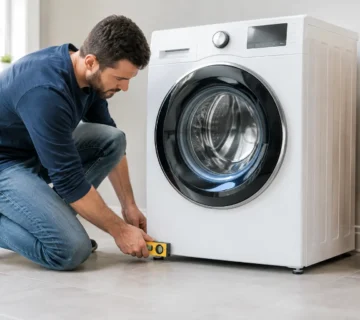

[…] a recurring smell along with poor drainage, leaks, error codes, or unusual sounds, a technician can diagnose the source without guesswork. IAS Repair & Parts provides in-home washer service with transparent pricing […]
[…] components. A technician who understands the brand and has the right information can often narrow down the cause without replacing parts […]
[…] start relay, control board, fan motor, defrost system, or sealed system. A technician can test the components rather than replacing parts based on a guess. This is particularly valuable with modern […]
[…] the issue may involve the heating element, thermostat, blower motor, moisture sensor or venting. A technician can determine whether the dryer is producing heat but cannot move air, or whether it is not heating at all. Those […]
[…] when pressed gently by hand with the machine off. These parts can often be replaced, but the correct diagnosis matters because similar symptoms can come from other […]
[…] for a company that performs in-home diagnostics rather than guessing over the phone. Many appliance problems have similar symptoms. For example, a […]
[…] oven ignition problem, or refrigerator temperature concern. They explain whether the technician diagnosed the fault, presented options, sourced the required part, and completed the repair properly. Specificity is […]