
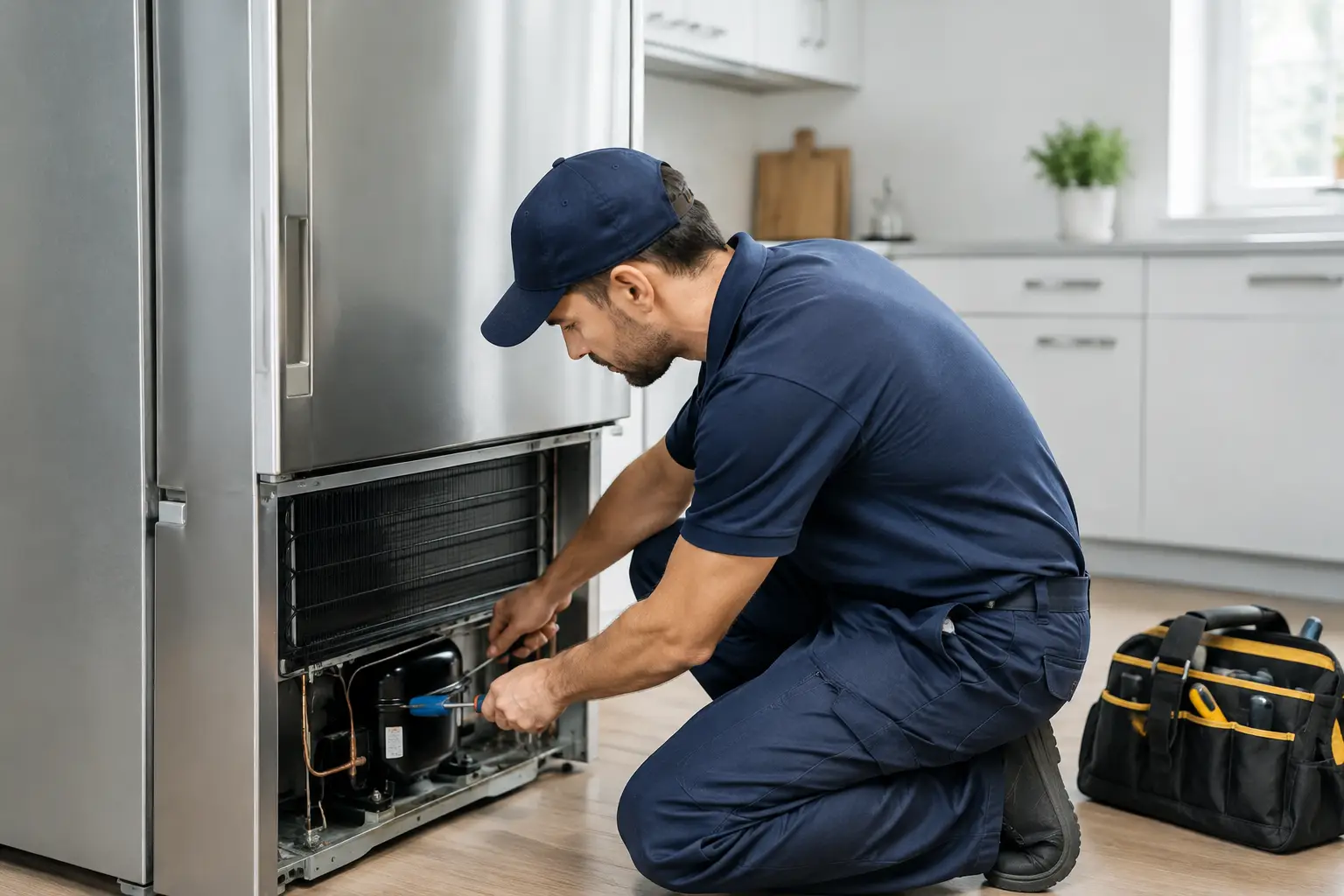
A refrigerator rarely fails at a convenient time. You may notice milk is warmer than it should be, hear a new clicking sound overnight, or find water collecting beneath the crisper drawers. Because food safety and daily routines are on the line, refrigerator repair is one household service that is usually best handled quickly – but not every problem calls for the same response.
A few simple checks can rule out an easy cause. If the issue involves electrical components, sealed cooling systems, persistent leaks, or spoiled food, a qualified technician can identify the cause and explain the repair before work begins. The goal is not just to make the appliance run again. It is to restore dependable cooling without unnecessary cost or delay.
Start With the Signs Your Refrigerator Is Giving You
The most urgent warning sign is a refrigerator compartment that cannot stay cold. A safe target is about 3 to 4 C in the fresh-food section, while the freezer should generally hold around -18 C. If the temperature is rising, move perishable food to a cooler with ice or another working refrigerator while you assess the problem. Do not assume food is safe simply because it still feels somewhat cool.
Inconsistent temperatures can be just as frustrating. Food near the back may freeze while items closer to the door become warm. This may be caused by blocked airflow, a damaged door gasket, a faulty fan, a defrost issue, or a failing sensor. The same symptom can have several causes, which is why guessing at replacement parts often costs more than arranging a proper diagnosis.
Water on the kitchen floor deserves prompt attention too. Sometimes the source is as simple as a loose water-line connection or a drain pan that has shifted. In other cases, a clogged defrost drain sends water into the bottom of the refrigerator, where it eventually spills onto the floor. Left alone, a leak can damage flooring and cabinets as well as create a slipping hazard.
Unusual noises are another common reason to book service. A gentle hum and occasional cycling are normal. Repeated clicking, loud buzzing, rattling, scraping, or a fan-like noise that does not settle down are not. Noise location and timing help a technician narrow down whether the concern involves the compressor, condenser fan, evaporator fan, ice maker, or another component.
Safe Checks Before You Book Refrigerator Repair
Before calling for refrigerator repair, check that the appliance is plugged in and that the outlet has power. If your refrigerator is on a circuit that has tripped, reset it once if appropriate. If it trips again, stop there. Repeated breaker trips can point to an electrical issue that needs professional attention.
Next, look at the temperature controls. They can be bumped while loading groceries or cleaning. Allow several hours after an adjustment for the temperature to stabilize, particularly if the doors have been opened frequently. Check that large containers, food packages, or ice buildup are not blocking interior vents. Refrigerators need clear airflow to circulate cold air properly.
Inspect the door seals for visible tears, hardened sections, or food debris. Wipe the gasket and the mating surface on the cabinet with warm, mild soapy water, then dry both thoroughly. A door that does not seal lets warm, humid air inside, making the refrigerator work harder and contributing to frost and temperature problems.
If your model has a water dispenser or ice maker, check for an obviously kinked water line behind the refrigerator. Avoid pulling the appliance forward without help, especially on finished floors. Do not remove rear panels, handle wiring, or attempt to recharge refrigerant. Those jobs require the right tools, training, and safety procedures.
Problems That Usually Need Professional Service
Some refrigerator issues have a straightforward household fix. Others require diagnosis because the visible symptom does not reveal the failed part. Calling early can protect your groceries and prevent a smaller problem from becoming a larger repair.
The refrigerator runs but will not cool
When lights are on and the unit appears to be running but the temperature keeps climbing, the problem may involve the compressor, start relay, control board, fan motor, defrost system, or sealed system. A technician can test the components rather than replacing parts based on a guess. This is particularly valuable with modern refrigerators, where electronic controls and multiple sensors affect cooling performance.
Frost is building up in the freezer
A thin layer of frost after frequent door openings can happen. Heavy frost on the rear freezer panel, around vents, or across stored food is different. It may indicate a door-seal issue or a defrost failure that prevents air from moving into the refrigerator compartment. Repeatedly chipping away ice with a sharp object can puncture interior surfaces or damage hidden components. It is safer to arrange service.
The refrigerator clicks, hums, or stops repeatedly
A short click followed by silence can signal a starting problem at the compressor. It may be a less expensive component, but the compressor itself also needs to be assessed. The right repair depends on the appliance’s age, condition, and diagnosis. An honest assessment should include whether repair remains the sensible choice.
Water is leaking or the ice maker is not working
Leaks can come from the filter housing, supply line, inlet valve, defrost drain, or ice-maker assembly. Even a small leak can worsen unnoticed. Ice-maker concerns are also not always caused by the ice maker itself. Low water pressure, a clogged filter, a frozen fill tube, or a control issue may be involved.
Repair or Replace? The Answer Depends on the Appliance
A repair is often worthwhile when the refrigerator is reasonably modern, in good overall condition, and needs a common serviceable component such as a fan motor, gasket, water valve, sensor, or ice-maker part. Built-in and premium models can also justify repairs because replacement costs are higher and installation is more involved.
Replacement may make more sense when an older unit has a major sealed-system or compressor failure, has required several recent repairs, or is no longer meeting your household’s needs. Energy use matters, but it should not be the only factor. A qualified technician can explain the likely repair, part availability, expected cost, and the condition of the appliance so you can make an informed decision.
Be wary of anyone who recommends replacement before completing basic diagnostics. The most useful advice is specific: what failed, why it failed, what the repair involves, and what warranty applies to the work.
What to Expect From an In-Home Service Visit
A well-prepared technician begins by listening to what you have noticed: when the problem started, whether it is constant or intermittent, and whether there have been temperature changes, leaks, noises, or error codes. Clear details can speed up the diagnosis.
The technician should inspect the appliance, test relevant components, and provide a transparent explanation before proceeding. Many common refrigerator repairs can be completed during the first visit when the needed parts are available in the service vehicle. For less common parts, you should know what is being ordered and what to expect next.
IAS Repair & Parts provides in-home refrigerator service for households across Kitchener, Waterloo, Cambridge, and surrounding communities, with same-day availability when scheduling permits. Licensed, experienced technicians can diagnose the issue, discuss the practical options, and complete approved repairs with warranties on parts and labour.
Help Your Refrigerator Work Better After the Repair
Once cooling is restored, a few habits can reduce strain on the appliance. Keep interior vents clear, close doors firmly, and avoid packing the refrigerator so tightly that air cannot circulate. Clean spills from door gaskets promptly and replace water filters according to the manufacturer’s schedule.
The condenser area also needs attention. Dust and pet hair around the coils or lower air intake can make the refrigerator work harder. Cleaning methods vary by model, so follow the manufacturer’s guidance and disconnect power before any approved maintenance. If access is difficult or you are uncertain, leave it to a technician.
A refrigerator that is warm, leaking, excessively frosty, or unusually noisy is asking for attention. Acting early gives you more options, protects your food, and helps bring your kitchen back to normal with less disruption.



No comment