
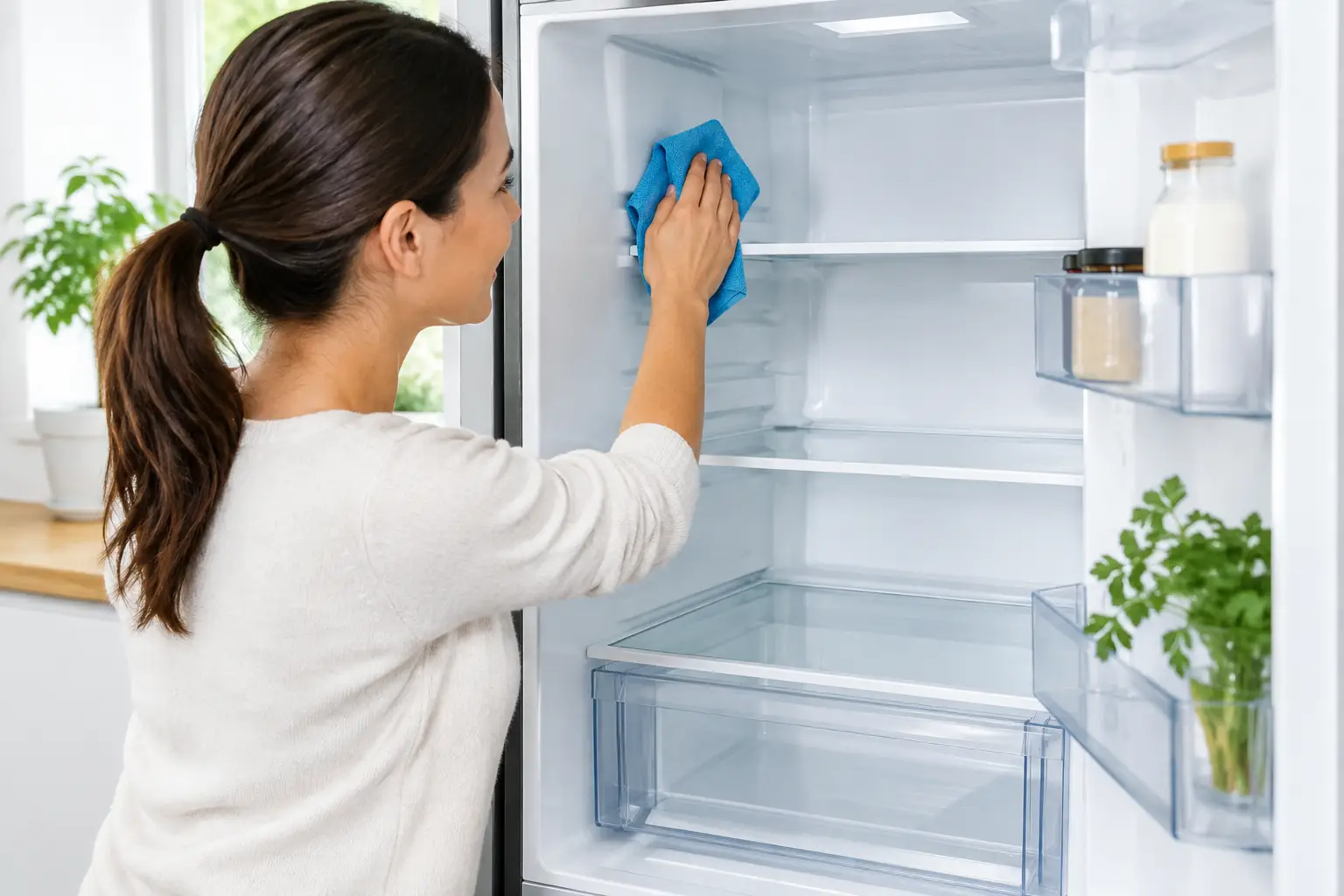
A thin layer of frost can turn into a real problem surprisingly fast. Your freezer drawers start sticking, food packages become coated in ice, and the refrigerator may seem to run longer than usual. Knowing how to stop fridge frost starts with finding where warm, moist air is getting into the appliance – then addressing the cause before ice buildup affects food storage or cooling performance.
Some frost is normal in an older manual-defrost freezer. Heavy, recurring, or fast-growing frost in a frost-free refrigerator is not. It usually points to a door-seal issue, a usage habit, a temperature setting, or a defrost-system fault that needs attention.
First, identify where the frost is forming
Frost inside the freezer is the most common complaint. A light coating that develops gradually can happen when the door is opened often, especially during humid Ontario summers. Thick frost on the back wall, around air vents, or across food packages is more likely to signal a problem.
Frost in the fresh-food section is different. Ice on the refrigerator’s back wall, around the air vent, or beneath crisper drawers can mean cold air is entering improperly, airflow is blocked, or the refrigerator is not completing its defrost cycle. Water pooling under drawers can also freeze and create the appearance of a frost issue.
The location matters because it helps narrow down the cause. Before adjusting parts or settings, take a quick look at the door, the food arrangement, and the rear interior wall.
How to stop fridge frost with simple daily checks
The most effective first step is checking the door gasket. This flexible rubber seal should sit flat against the refrigerator frame all the way around. Crumbs, sticky spills, warped corners, and torn sections can leave a small gap that continually pulls humid room air inside. That moisture freezes on the coldest surfaces.
Clean the gasket with warm water and mild dish soap, then dry it thoroughly. Close the door on a sheet of paper and gently pull the paper out. Some resistance is a good sign. If it slides out easily in several places, the seal may be dirty, misaligned, or worn out. Avoid using sharp tools to clean the gasket, as small cuts can make the problem worse.
Also make sure nothing is preventing the door from closing fully. A large frozen-food box, overfilled door bin, loose bag, or drawer that is not pushed in completely can leave the door open by only a few millimetres. That is enough to create persistent frost.
Try to keep door openings brief. Deciding what you need before opening the fridge helps, particularly in busy family kitchens. Let hot leftovers cool to room temperature before storing them in covered containers. Placing steaming food in the refrigerator adds moisture that can later freeze, although food should still be refrigerated within two hours for safety.
Check temperature settings and airflow
A refrigerator set too cold may produce excess ice, while one set too warm can run longer and struggle to manage moisture. For most homes, the fresh-food compartment should stay near 3 to 4 C, and the freezer should be around -18 C. Use an appliance thermometer if the control panel only has numbers or a basic dial. Those settings do not always show the actual interior temperature.
Do not pack food tightly against interior vents or the freezer’s back wall. Refrigerators depend on air circulation to keep temperatures even and move moisture through the system. Blocking vents can make one area unusually cold while another area is too warm. It can also encourage frost around the vent and on nearby packages.
There is a balance to strike. A nearly empty freezer loses cold air quickly when opened, but an overfilled freezer restricts airflow. Leave a little space around vents and avoid forcing items into drawers. If you have recently loaded the appliance with groceries, give it time to stabilize before changing settings repeatedly.
Defrost existing frost safely
If the frost is already thick, removing it is necessary, but it will not solve the underlying problem. A frost-free refrigerator that is iced over may need a full manual defrost before normal airflow can return.
Move perishable food to a cooler with ice packs or to another refrigerator. Turn the appliance off, unplug it if accessible, and leave both doors open. Place towels around the base to catch meltwater. A bowl of hot water placed inside the freezer can speed up the process, but keep it stable and replace it as it cools.
Never chip ice with a knife, screwdriver, or other sharp object. It is easy to puncture an interior liner or refrigerant line, turning a manageable repair into a much larger expense. Do not use a hair dryer near melting water either. Once the ice has melted, dry the interior completely before restarting the appliance.
If thick frost returns within days or a few weeks, do not keep defrosting it and hoping for a different result. The appliance needs a closer diagnosis.
When frost points to a repair issue
Modern frost-free refrigerators use a defrost heater, sensor or thermostat, timer or electronic control, and evaporator fan to prevent ice from accumulating on the cooling coil. When one of these components fails, frost often builds behind the freezer’s rear panel first. Eventually, the ice blocks airflow to the refrigerator section.
A common pattern is a freezer that still feels very cold while the fresh-food compartment becomes warm. You may also hear the fan working harder, notice frost spreading across the back freezer wall, or find that food near the vent freezes while other shelves are not cold enough. These symptoms are not usually corrected by changing the temperature setting.
A damaged door gasket, sagging hinge, or door that does not align correctly can also require repair. In some cases, a replacement gasket is the right solution. In others, the technician may need to adjust the hinges or identify why the cabinet is not closing squarely. The best repair depends on the appliance model and the source of the air leak.
Water or ice beneath the crisper drawers can point to a blocked defrost drain. During normal defrosting, meltwater should flow through a drain tube to a pan underneath the refrigerator. If the drain freezes or clogs, water may back up, refreeze, and create ice inside the cabinet. This issue is easy to mistake for a simple temperature problem.
Signs it is time to book service
Arrange professional refrigerator service if you see a thick frost layer return after a complete defrost, the refrigerator section is warming up, or the door seal is visibly torn. Service is also a sensible next step when you notice repeated water leaks, unusual fan noise, error codes, or a compressor that seems to run almost constantly.
A qualified technician can inspect the gasket and door alignment, test the defrost components, clear a blocked drain, and check whether airflow is being restricted by ice behind an interior panel. This avoids replacing parts based on guesswork. For households in Kitchener, Waterloo, Cambridge, and nearby communities, IAS Repair & Parts can provide an honest in-home assessment and explain the repair options before work begins.
Prevent frost from coming back
Once the immediate issue is fixed, a few small habits make a difference. Wipe spills from the gasket and door frame regularly, keep food packages clear of vents, and check that drawers slide in fully before closing the door. Cover foods with high moisture content and avoid leaving the door open while unloading a full grocery order.
If the refrigerator is in a garage, basement, or laundry area, consider the room conditions too. Extreme cold or heat can affect some refrigerator models, and high humidity increases the amount of moisture entering every time the door opens. Manufacturer instructions for your model can clarify its recommended operating environment.
A frost-free refrigerator should save you from routine ice removal, not add another household chore. When frost keeps returning, treating the cause early can protect your groceries, improve cooling consistency, and help the appliance get back to doing its job quietly in the background.



[…] may notice a sheet of ice under freezer baskets, water under crisper drawers, or recurring puddles even when the water […]