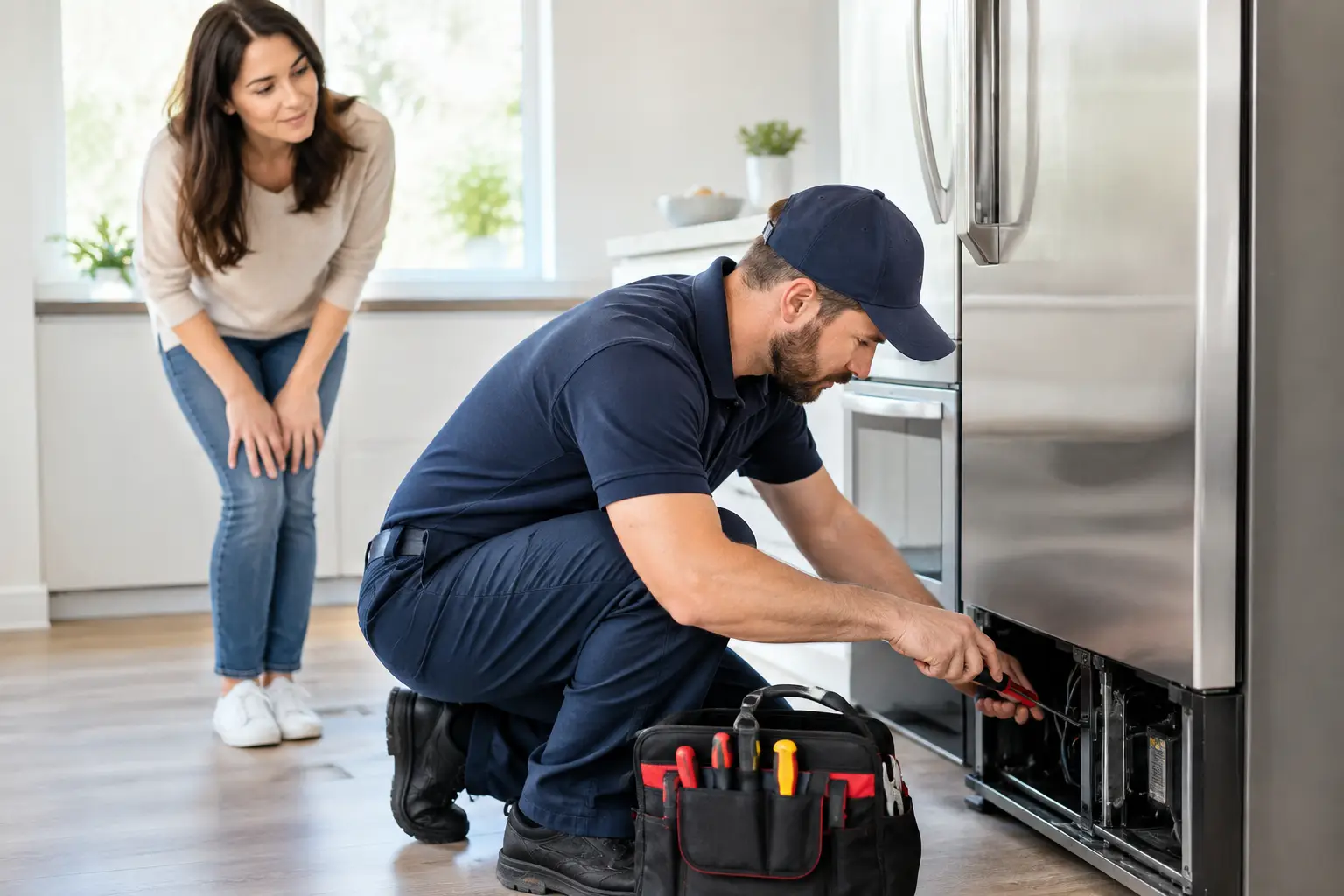
A refrigerator that stops cooling before a full grocery weekend, a washer that will not drain, or an oven that fails before dinner creates an immediate problem at home. In those moments, an authorized appliance repair technician can offer more than a quick fix. The right professional helps identify the real fault, protects your appliance where possible, and gives you a clear answer about the cost and next step.
Not every appliance issue requires the same level of service. A loose dishwasher rack is different from a gas range that will not ignite, and an out-of-warranty dryer is different from a newer refrigerator with manufacturer coverage. Understanding what authorization means can help you choose repair service with confidence rather than making a rushed decision.
What Does an Authorized Appliance Repair Technician Do?
An authorized technician is generally approved, trained, or recognized to work with a specific appliance brand, product line, or service network. That status may involve access to manufacturer service information, approved replacement parts, technical updates, and warranty procedures.
Authorization is valuable because modern appliances are not simple machines. Many refrigerators, washers, dishwashers, and ovens rely on electronic control boards, sensors, diagnostic codes, and model-specific components. A technician who understands the brand and has the right information can often narrow down the cause without replacing parts unnecessarily.
That does not mean every repair must be completed by a manufacturer-authorized provider. For an older appliance that is no longer under warranty, an experienced local technician may be an excellent choice, especially when the repair involves common components such as a drain pump, door latch, heating element, belt, or igniter. The key is knowing what credentials and experience matter for your particular repair.
When Authorization Matters Most
Authorization becomes especially important when your appliance is still covered by a manufacturer warranty, extended protection plan, or retailer service agreement. Some warranties require approved service procedures and parts. Using an unapproved provider could complicate a future claim, even if the original repair seems successful.
It also matters when the appliance has specialized technology. Smart refrigerators, induction cooktops, high-end built-in ovens, and newer laundry machines may need brand-specific diagnostic tools or programming after a component is replaced. A control board or sensor may physically fit but still require calibration before the appliance operates properly.
Safety-related repairs deserve added attention. Gas appliances should be handled by a properly licensed professional with the qualifications required for gas work in Ontario. Electrical faults, damaged appliance wiring, overheating, burning smells, and repeated breaker trips also call for a technician who can assess the issue safely rather than guessing at the cause.
For built-in appliances, correct installation knowledge is just as important as repair experience. A wall oven, dishwasher, or gas range must be secured, connected, and tested properly. An installation problem can lead to leaks, poor ventilation, damaged cabinetry, or unreliable performance that looks like an appliance defect.
Authorization Is Only One Part of Good Service
A badge, certification, or brand relationship matters, but it should not be the only factor in your decision. You also need a technician who communicates clearly, shows up prepared, and respects your home.
A dependable service visit starts with questions. What is the appliance doing? When did the problem begin? Is there an error code, leak, unusual noise, or burning smell? These details help a technician arrive with likely parts and the right diagnostic equipment, increasing the chance of a first-visit repair.
Once the issue is diagnosed, you should receive a straightforward explanation. A good technician tells you what failed, what it takes to repair it, and whether repair is sensible for the appliance’s age and condition. You should know the expected cost before work begins, including labour and parts, so there are no surprises later.
IAS Repair & Parts approaches in-home service with this practical standard: assess the issue honestly, explain the available options, and proceed only with customer approval. For busy households, a fully equipped service van and same-day availability can make a meaningful difference when laundry, food storage, or meal preparation is interrupted.
Questions to Ask Before You Book
You do not need to understand appliance mechanics to choose service wisely. A brief conversation before booking can tell you a great deal about the company and the repair process.
Ask whether the technician services your appliance brand and model, particularly if it is still under warranty or includes advanced features. Confirm whether they use manufacturer-approved or high-quality compatible parts, and ask how that choice affects warranty coverage, availability, and cost.
It is also reasonable to ask about diagnostic fees, labour charges, and warranties on parts and labour. Transparent pricing does not always mean a repair will be inexpensive. Some parts, especially sealed-system refrigerator components or electronic boards, can be costly. It does mean you should receive enough information to decide before committing to the work.
For gas appliance installation or repair, ask about the technician’s gas licence and the scope of the work. For a dishwasher or washer installation, ask whether the service includes checking water connections, drainage, leveling, and basic operation. A professional should be comfortable explaining what is included.
Repair or Replace? An Honest Assessment Helps
The best repair decision depends on more than whether a technician can replace a part. Appliance age, condition, repair cost, energy use, and the likelihood of future problems all matter.
Repair is often worthwhile when the appliance is relatively new, the issue is isolated, and replacement parts are readily available. A dishwasher with a failed pump or a dryer with a worn belt can often return to dependable operation with a targeted repair. Replacing the entire appliance in those cases may create more expense and disruption than necessary.
Replacement may make more sense when an appliance has repeated major failures, extensive rust or cabinet damage, a costly sealed-system issue, or an unavailable part. It can also be the better long-term choice if a repair approaches a significant portion of the cost of a comparable replacement unit.
Be cautious of anyone who pushes replacement without diagnosing the appliance, or who promises a repair before inspecting it. An honest technician will acknowledge uncertainty where it exists and explain why a particular repair is recommended. That clarity is especially valuable for landlords balancing tenant needs and budgets, or families deciding whether to put more money into an older appliance.
Signs You Should Not Wait for Service
Some appliance problems can wait a day or two. Others should be addressed promptly to prevent property damage, food loss, or a safety issue. Turn off the appliance and arrange professional help if you notice:
- A gas smell near a range, cooktop, oven, or gas dryer
- Smoke, sparking, scorch marks, or a persistent burning odour
- Water leaking onto the floor from a dishwasher, washer, or refrigerator
- A refrigerator that is no longer keeping food at a safe temperature
- Repeated tripped breakers or an appliance that causes an outlet to overheat
For a suspected gas leak, leave the area, avoid operating switches or flames, and contact the appropriate emergency service or gas utility before arranging appliance repair. Do not attempt to locate or repair the leak yourself.
Get the Right Help the First Time
An authorized appliance repair technician can be the right choice when warranty requirements, specialized electronics, or manufacturer procedures are involved. For every service call, though, the goal remains the same: a safe diagnosis, a fair recommendation, and a repair that restores normal life at home without unnecessary delay.
When an appliance starts acting up, make note of the model number, symptoms, and any error message before you call. Those small details help the technician arrive ready to solve the problem, so you can get back to a working kitchen or laundry room sooner.



[…] The point in the wash cycle when water appears offers one of the clearest clues. A washer that leaks while filling has a different likely cause than one that leaks only while draining or spinning. You do not need to take the appliance apart to make useful observations for a repair technician. […]