
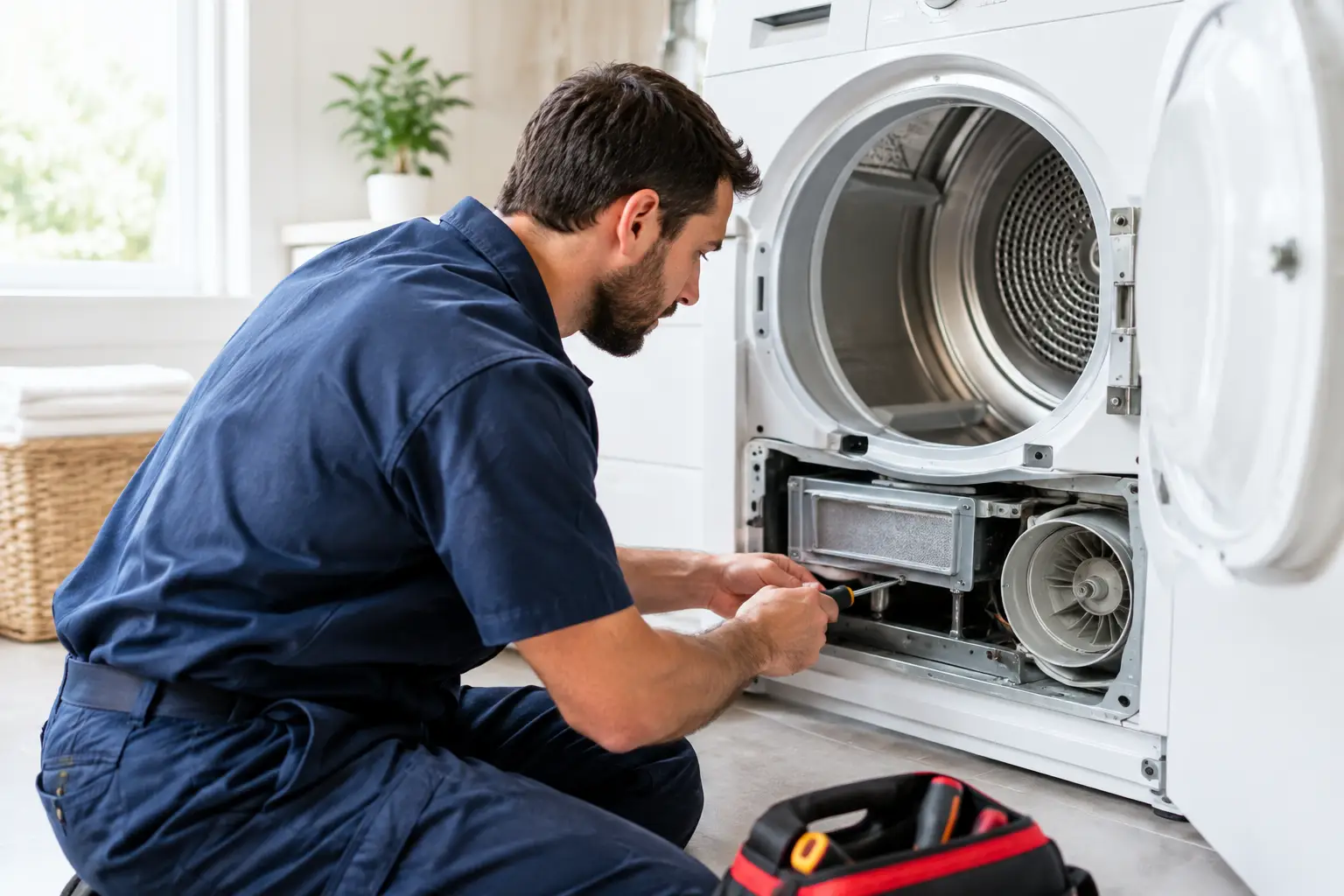
A dryer that suddenly stops heating can turn one load of laundry into a household disruption. When you need Cambridge dryer repair, the priority is not just getting clothes dry again. It is finding the cause quickly, avoiding safety risks, and knowing whether a practical repair makes more sense than replacement.
Many dryer issues start small: clothes take an extra cycle, the machine makes an unfamiliar sound, or the drum feels unusually hot. Addressing those warning signs early can prevent a larger failure, reduce energy waste, and help protect your home from dryer-related fire hazards.
Signs Your Dryer Needs Professional Attention
A dryer does not have to stop completely to need service. Long drying times are one of the most common concerns. If a normal load takes two or three cycles, the problem may be restricted airflow, a blocked vent, a failing heating element, or a sensor that is not reading temperature correctly.
No heat is another clear sign. An electric dryer may have a failed heating element, thermostat, thermal fuse, wiring issue, or a tripped breaker affecting part of the unit. With a gas dryer, ignition and gas supply components need to be checked safely by a qualified technician. The appliance may still tumble even when it cannot produce heat, which can make the issue confusing for homeowners.
Unusual noises should also be taken seriously. Squealing, thumping, scraping, or grinding can point to worn drum rollers, a damaged belt, a failing idler pulley, or an item caught where it should not be. Continuing to run the dryer may turn a manageable parts repair into damage to the drum or motor.
A burning smell, visible smoke, repeated shutdowns, or an unusually hot exterior require immediate action. Stop the dryer, disconnect power if it is safe to do so, and do not keep testing the machine. These symptoms can be caused by overheating, electrical faults, or poor venting and should be assessed before the appliance is used again.
Start With the Safe, Simple Checks
Before booking a repair, a few basic checks can help rule out simple causes. Clean the lint screen completely, not just the visible surface. Dryer sheets and fabric softener residue can leave a film that restricts airflow, so wash the screen with warm water and mild dish soap when needed, then let it dry fully.
Check that the dryer door closes firmly and that no clothing is caught in the seal. Confirm the appliance is plugged in and, for electric models, check the electrical panel for a tripped breaker. Electric dryers commonly use a double-pole breaker, and one side can trip while the drum still turns. Resetting a breaker once may be reasonable. If it trips again, leave it alone and arrange service.
Look outside at the vent hood while the dryer is operating, provided the appliance is otherwise running safely. Weak airflow or a flap that barely opens can indicate a vent restriction. Do not use the dryer if lint is accumulating around the exterior vent, the laundry room feels excessively humid, or clothes remain hot and damp after a full cycle.
These checks are useful, but they are not a substitute for diagnosis. Avoid dismantling panels, bypassing a thermal fuse, or attempting electrical repairs. Those shortcuts can create a safety issue and may damage parts that could otherwise be repaired.
Why Dryer Venting Matters So Much
A dryer removes moisture by moving warm air through the drum and out through the exhaust vent. When lint, crushed ducting, bird nests, or long vent runs restrict that path, drying performance drops. The dryer has to run longer, temperatures can rise, and components experience more strain.
Vent problems can look like appliance problems. A homeowner may assume the heating element has failed because clothes are taking too long to dry, when the dryer is producing heat but cannot move moist air outside efficiently. On the other hand, restricted airflow can contribute to failed thermal fuses and overheating, so ignoring the vent can lead to an actual appliance repair later.
The right solution depends on the condition of both the dryer and its venting. A technician can determine whether the fault is inside the appliance, in the exhaust path, or a combination of both. That distinction helps prevent spending money on a replacement part that will not solve the real issue.
What a Dryer Technician Will Check
Professional Cambridge dryer repair begins with a proper diagnosis rather than guessing at parts. The technician will usually ask what the dryer is doing, when the issue began, whether it heats, and whether there have been changes in noise, cycle length, or error codes.
For a no-heat problem, testing may include the heating system, thermal fuse, thermostats, power supply, control board, wiring, and door switch. For noise or a drum that will not turn, the inspection may focus on the belt, rollers, pulley, motor, and drum support components. Modern dryers may also require checks of moisture sensors and electronic controls.
The goal is to identify the failed component and explain the available options in plain language. A reliable service visit should include a clear assessment, transparent pricing before work proceeds, and your approval before replacement parts are installed. There should be no pressure to authorize work that does not make financial sense.
Fully equipped service vans can make a real difference when common parts are needed. Many standard dryer repairs can be completed during the first visit, reducing the time a household has to rely on laundromats, family, or extra laundry trips.
Repair or Replace? The Decision Depends
Repair is often the sensible choice when the dryer is relatively new, in good overall condition, and needs a common wear part such as a belt, roller, thermostat, or heating element. A targeted repair can restore reliable operation at a fraction of the cost of buying and installing a new appliance.
Replacement may be worth considering if the dryer has multiple significant failures, extensive corrosion, repeated electronic issues, or a repair cost that is high compared with a comparable replacement. Age matters, but it is not the only factor. A well-maintained dryer with one failed part can still have years of useful service ahead.
For landlords and busy families, downtime also matters. The cheapest option on paper is not always the most practical one if it leaves laundry unavailable for weeks. An honest technician can help weigh the appliance condition, repair cost, parts availability, and expected remaining life so you can make an informed decision.
How to Help Your Dryer Last Longer
Regular care reduces many preventable calls. Clean the lint filter after every load and avoid overloading the drum, which places extra strain on the belt, motor, and rollers. Use the right cycle for the load, and avoid running the dryer when it is producing unusual sounds or taking much longer than normal.
Keep the area around the dryer clear of lint, boxes, and cleaning products. Make sure the exhaust duct is not crushed behind the machine after it is moved. If your dryer is newly installed or relocated, correct venting and electrical or gas connections are essential from the start.
For gas dryers, any suspected gas smell should be treated as urgent. Do not operate switches or appliances nearby. Leave the area and contact the appropriate gas emergency service, then arrange for qualified appliance support once it is safe to do so.
Fast, Clear Help for Dryer Problems
A malfunctioning dryer can affect every part of a household routine, especially when laundry piles up quickly. IAS Repair & Parts provides in-home dryer diagnosis and repair with experienced technicians, clear recommendations, and warranties on parts and labour. Same-day availability may be possible depending on scheduling, location, and the type of repair required.
When you call for service, sharing the dryer brand, model number, symptoms, and any error code can help make the visit more efficient. If the dryer is safe to leave connected, note whether the drum turns, whether it heats, and how long it has been taking to dry a typical load.
A dryer should make laundry easier, not add stress to your week. If yours is running poorly, making noise, or showing signs of overheating, arranging a professional assessment now can help restore safe, dependable performance before a small issue becomes a bigger interruption.


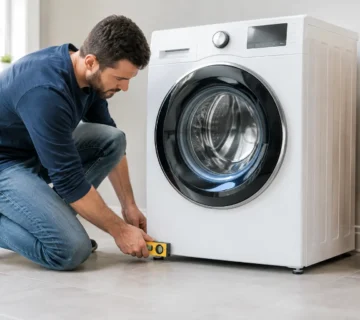

[…] vented dryers need a safe, properly routed vent. A crushed, excessively long, or poorly connected dryer vent can reduce efficiency and create a serious safety concern. Condenser and heat-pump dryers have […]