
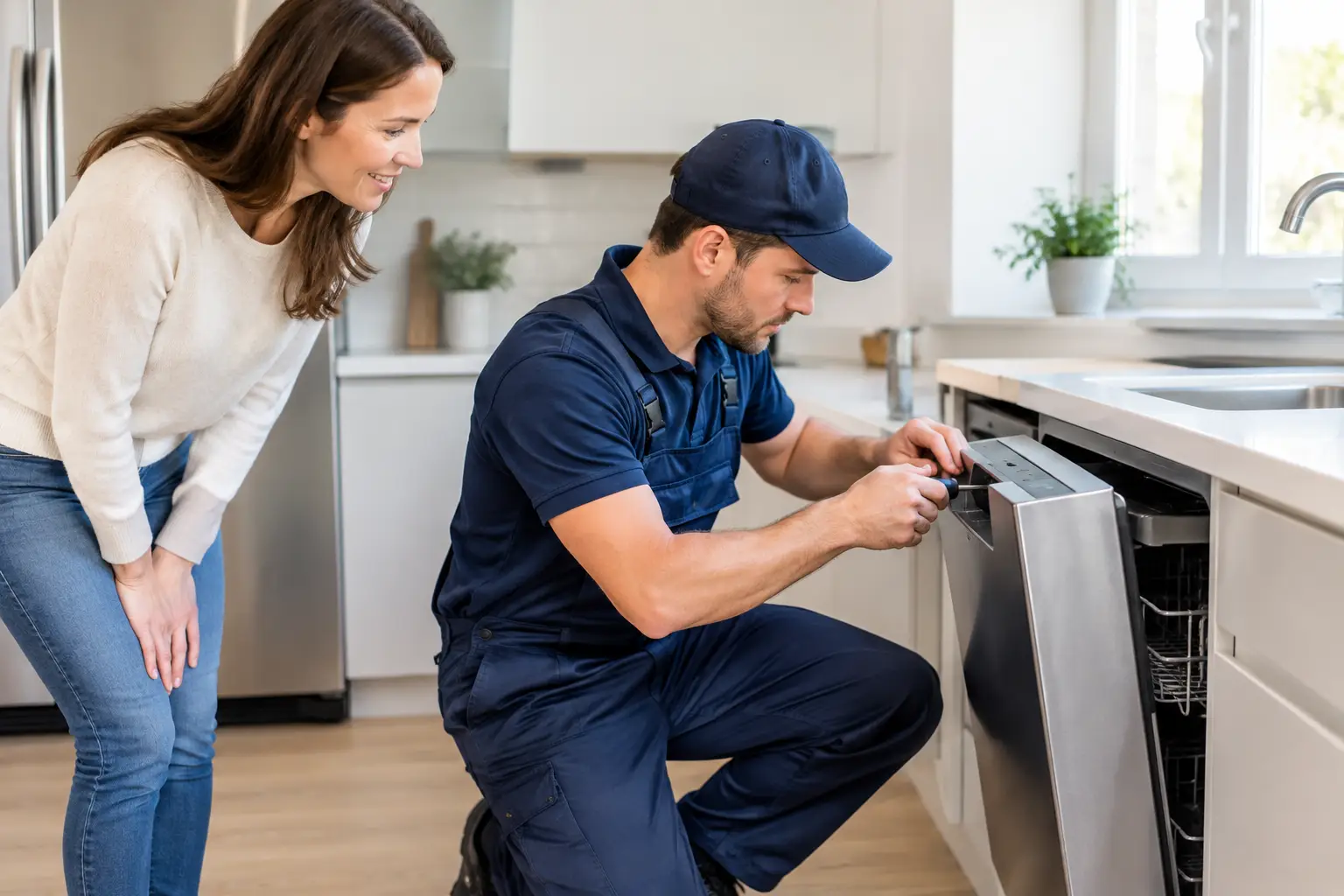
A new dishwasher, wall oven, washer, dryer, or gas range should make home life easier. But a poor installation can quickly turn that purchase into a leak, electrical issue, damaged cabinetry, or an appliance that never performs as it should. When people search for the best appliance installers Cambridge has available, they are usually looking for more than someone who can connect a few hoses. They need a qualified local professional who will protect their home, explain the work clearly, and make sure the appliance is ready to use.
Professional installation is especially valuable when the appliance involves water, drainage, gas, high-voltage electrical connections, built-in cabinetry, or a difficult laundry-room layout. The right installer helps prevent costly problems before they start.
What the Best Appliance Installers in Cambridge Do Differently
A dependable appliance installer begins by looking at the whole setup, not just the appliance in the box. A dishwasher needs a proper water supply, secure drain connection, level positioning, and a final leak test. A wall oven has to fit the cabinet opening, be supported correctly, and be connected according to its electrical requirements. A gas appliance requires trained handling and careful testing for safety.
This is why price alone should not decide who completes the work. A low installation quote may not include removal of an old unit, adjustments to plumbing or venting, testing, or the materials needed to complete the job properly. Ask what is included before booking so there are no surprises once the technician arrives.
The best service providers also respect your home. That means arriving within the agreed service window, protecting nearby floors and surfaces where needed, keeping the work area tidy, and explaining any issue that changes the original scope of work. If a connection, cabinet opening, outlet, shutoff valve, or vent does not meet the appliance’s needs, you should know before additional work begins.
Start With the Type of Appliance You Are Installing
Not every appliance installation carries the same risks or requires the same preparation. Being clear about the appliance type helps you book the right service and avoid an unsuccessful first visit.
Dishwasher installation
Dishwashers appear straightforward, but the details matter. The unit must sit level so racks operate properly and water drains as intended. The water line, drain hose, and electrical connection must be secure, while the dishwasher door and surrounding cabinetry need enough clearance to function correctly.
Older homes can present additional challenges, such as worn shutoff valves, unsuitable drain arrangements, or tight cabinet openings. A professional installer can identify these concerns and discuss the practical options before leaving you with a dishwasher that leaks or fails to drain.
Washer and dryer installation
Laundry appliances need stable flooring, correct water connections, and enough space behind and around the units for hoses, cords, and ventilation. A washing machine that is not level may vibrate heavily, walk across the floor, or place unnecessary strain on its components.
For dryers, the installation needs to match the model. Electric and gas dryers have different connection requirements, while vented dryers need a safe, properly routed vent. A crushed, excessively long, or poorly connected dryer vent can reduce efficiency and create a serious safety concern. Condenser and heat-pump dryers have different needs again, so it is worth confirming the model before scheduling service.
Wall ovens, cooktops, and ranges
Built-in cooking appliances require careful measurement. A wall oven may look like it fits until the cabinet opening, electrical supply, or support structure is checked. Cooktops also need the correct cutout size and adequate clearance below the counter.
Gas ranges and cooktops should only be handled by an appropriately licensed professional. The installation should include connection checks and testing before the appliance is put into regular use. Do not assume an existing gas line automatically suits a new appliance. The required connection, shutoff access, and appliance specifications may be different.
Questions to Ask Before You Book
You do not need technical knowledge to choose an installer with care. A few direct questions can tell you a lot about how a company works.
Ask whether the technician is qualified for your specific appliance type, particularly for gas work. Confirm whether the company provides a clear quote or diagnostic assessment before proceeding with unexpected repairs or modifications. It is also sensible to ask whether labour and supplied parts are backed by a warranty.
Scheduling matters too. For busy households, an appliance delivery often has a narrow window, and you may need installation quickly to avoid storing a large unit in the kitchen, hallway, or garage. A local company with equipped service vehicles and responsive booking can make a real difference when your household routine is already disrupted.
You should also ask what you need to provide. In some cases, the installer may need access to the appliance manual, the delivery paperwork, parking close to the home, or confirmation that water, electrical, and gas shutoffs are accessible. Knowing this in advance keeps the appointment efficient.
Prepare Your Home for a Smooth Installation
A little preparation helps your technician focus on the installation rather than moving obstacles. Clear a path from the entry door to the appliance location, including stairs, hallways, and tight corners. Remove items from under the kitchen sink for dishwasher work, or clear laundry products away from washer and dryer connections.
If an old appliance is still in place, confirm whether removal and disposal are included. Some installations can proceed only after an existing unit has been disconnected, while other jobs may require extra time for removal. It is better to discuss this when booking than discover it on installation day.
Measure the opening and the path into the room, especially for refrigerators, laundry pairs, and wall ovens. Manufacturer dimensions are useful, but allow space for doors, handles, hoses, cords, and ventilation. For a built-in appliance, have the model number available so the installer can check requirements if necessary.
Why Testing Is Part of the Installation
An appliance is not truly installed when it turns on. It should be tested in the way it will be used. A dishwasher should run through filling and draining checks while connections are inspected for leaks. A washing machine should be checked for stable operation and water flow. A dryer should have its airflow or required condensate arrangement reviewed. Cooking appliances should be tested carefully after connection.
This final step is where professional service earns its value. It gives you the chance to ask questions, understand basic operation, and spot concerns while the technician is still there. It also reduces the risk of discovering a loose fitting or incorrect setup after the installer has left.
A good technician will be honest when an issue falls outside the installation itself. For example, an aging shutoff valve, damaged outlet, unsuitable cabinet opening, or restricted vent may need separate work before the appliance can operate safely. That can be frustrating, but a clear explanation is far better than forcing an appliance into a setup that could cause damage later.
Choosing Local Help With Confidence
The right installer should make the process feel straightforward: clear communication, qualified work, transparent pricing, and a home left in good condition. Experience with major household appliances matters because installers regularly see the real-world issues that manuals cannot predict, from uneven floors to tight connections and older plumbing.
IAS Repair & Parts provides professional appliance installation support for households in Cambridge and nearby communities, including dishwasher, washer and dryer, wall oven, and gas appliance installations. The focus is practical: assess the setup, explain the work, complete it carefully, and test the appliance so your home can get back to normal.
Before your appliance arrives, take a moment to confirm the model, available connections, access route, and whether old-unit removal is needed. That small bit of planning, combined with a qualified installer, gives your new appliance the best possible start.

[…] pulled out safely, and the dryer or stacking hardware must remain secure. This is a situation where professional installation help can prevent damage to the appliance, flooring, and […]